


 +86 18681836350
  info@monokj.com


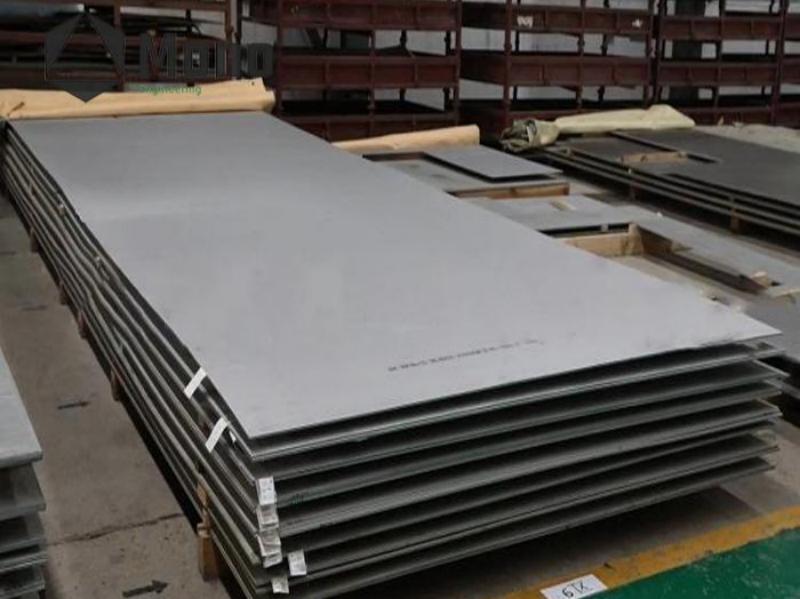


Stable magnetic performance is often more important than mechanical strength in electrical and electronic equipment. Whether manufacturing transformer cores, relay components or magnetic shielding assemblies, engineers usually focus on permeability, coercivity and magnetic efficiency rather than conventional structural properties. This is why 1J36 Soft Magnetic Alloy remains a widely used material in precision electromagnetic applications.
As a Nickel Iron Magnetic Alloy, 1J36 combines high magnetic permeability, low coercivity and low hysteresis loss, allowing magnetic circuits to respond efficiently with minimal energy loss. Its balanced magnetic characteristics and reliable processing performance make it suitable for precision magnetic components used in electrical equipment, sensors and electromagnetic devices.
Selecting a Soft Magnetic Alloy starts with understanding the magnetic function of the component rather than simply choosing a material grade. Different magnetic alloys are designed to optimize permeability, saturation induction or shielding capability depending on the working environment. 1J36 is commonly chosen where stable magnetic behavior and efficient magnetic flux transmission are required throughout long-term service.
Typical Selection Criteria
High magnetic permeability
Low coercivity
Low hysteresis loss
Precision magnetic components
Electromagnetic shielding
Transformer and relay cores
Controlled heat treatment after fabrication
The final magnetic performance of a Precision Soft Magnetic Alloy depends on both the alloy composition and the manufacturing process. Cold rolling, annealing, stress relief and dimensional accuracy all influence permeability and core loss. Defining the required magnetic properties before production helps ensure consistent performance in the finished component.
Composition | C | Si | Mn | P | S | Ni |
Min | \ | \ | \ | \ | \ | 35.00 |
Max | 0.03 | 0.20 | 0.60 | 0.02 | 0.02 | 37.00 |
Rigidity | Tensile strength | Yield strength | Elongation |
≤200HB | ≥490MPa | ≥240MPa | ≥42% |
Density | Melting points | Magnetism | Resistivity | Linear expansivity |
8.1g/cm3 | 1430℃ | yes | 0.8μΩ·m(20℃) | 11.7×10⁻⁶/K(20-100℃) |
1. Transformer & Inductor Core Materials
Efficient magnetic flux transmission is the foundation of transformer and inductor performance. 1J36 Soft Magnetic Alloy is widely used as a Transformer Core Material because its high permeability helps reduce magnetic reluctance while supporting stable magnetic behavior under repeated operating cycles.
2. Relay & Solenoid Components
Relay cores and solenoid assemblies require magnetic materials that can respond quickly to alternating magnetic fields. The low coercivity and low hysteresis characteristics of 1J36 contribute to rapid magnetization and demagnetization, improving switching efficiency and reducing energy loss.
3. Magnetic Shielding Equipment
Electronic systems often require protection from external magnetic interference that can affect measurement accuracy or signal stability. As a Magnetic Shielding Alloy, 1J36 helps redirect magnetic flux and supports electromagnetic compatibility in precision instruments, communication equipment and sensitive electronic assemblies.
4. Precision Sensors & Measuring Instruments
Sensors and measuring devices rely on repeatable magnetic performance to maintain long-term accuracy. The stable magnetic characteristics of 1J36 make it suitable for precision instrument components where consistent response is more important than high mechanical strength.
5. Electronic & Electromagnetic Components
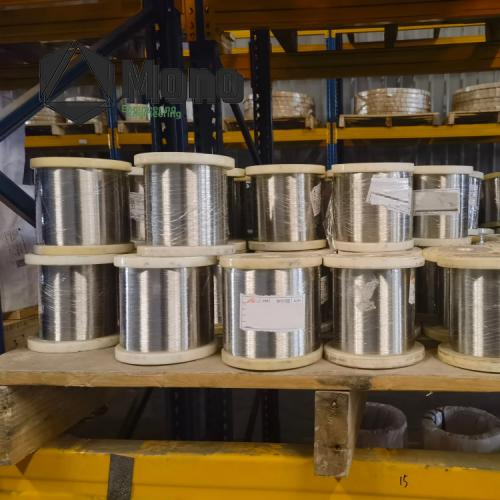
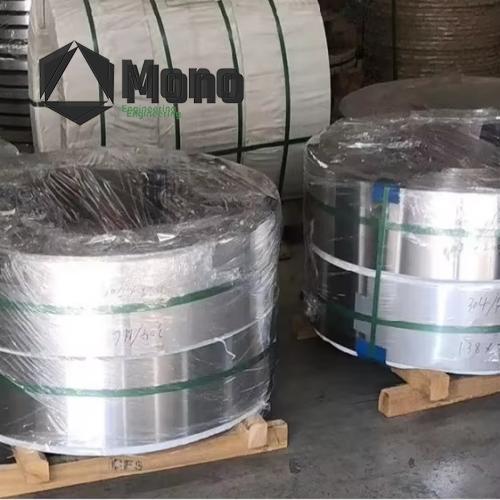
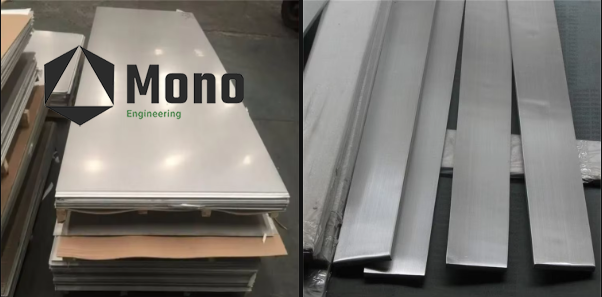
Many electronic products incorporate magnetic materials into compact assemblies where dimensional precision and processing quality directly affect performance. Precision-rolled strip and wire manufactured from 1J36 are commonly used for magnetic cores, electromagnetic devices and other miniaturized electrical components.
When sourcing Precision Magnetic Alloy, magnetic properties should be specified with the same importance as dimensions and chemical composition. Buyers are encouraged to confirm the required product form, heat treatment condition, permeability requirements, strip tolerance and intended application before production. Providing complete technical information at the quotation stage helps ensure that the supplied material meets both manufacturing and magnetic performance expectations.
Q: How does 1J36 Soft Magnetic Alloy differ from other Ni-Fe soft magnetic alloys?
Each nickel iron magnetic alloy is designed to achieve a different balance of permeability, coercivity and saturation induction. The appropriate material should be selected according to the magnetic performance required by the final component rather than by alloy designation alone.
Q: Why is heat treatment important for 1J36 Soft Magnetic Alloy?
Heat treatment relieves internal stress introduced during rolling or machining and helps develop the magnetic properties required for precision applications. The recommended process depends on the product form and end use.
Q: Which product form is most commonly supplied?
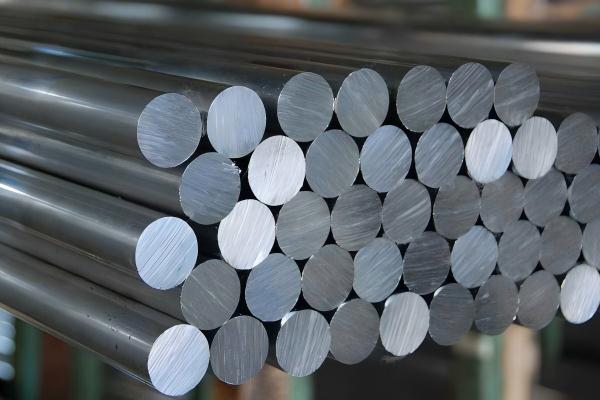
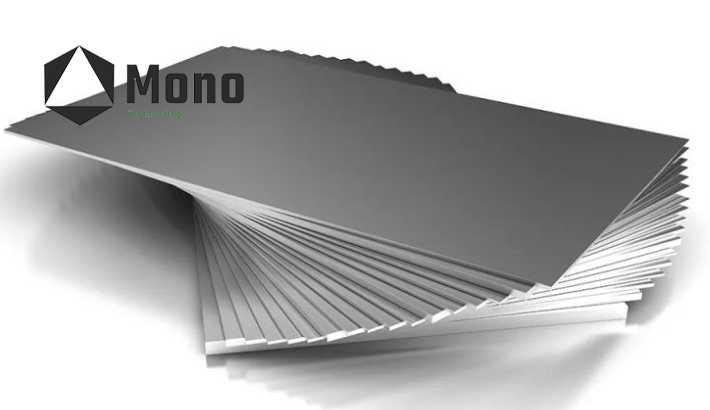
Precision strip is widely used for transformer cores, relay components and magnetic shielding applications, while sheet, plate, round bar and wire are selected according to manufacturing requirements.
Q: What information should be included in an RFQ?
Providing the required product form, dimensions, tolerance, magnetic property requirements, delivery condition, quantity and application enables a faster and more accurate quotation.
Q: Is 1J36 Soft Magnetic Alloy suitable for magnetic shielding?
Yes. Owing to its high magnetic permeability, 1J36 is commonly used in magnetic shielding applications where magnetic flux needs to be redirected to protect sensitive electronic equipment.
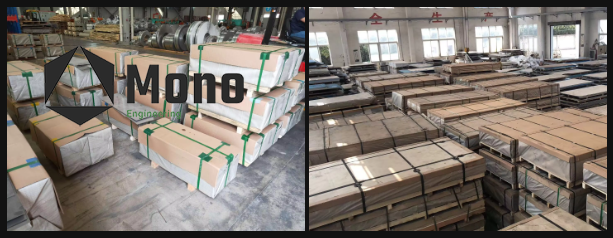
Supplying soft magnetic alloys requires more than delivering the correct alloy grade. Consistent magnetic performance also depends on processing control, dimensional accuracy and appropriate delivery conditions. Mono supplies 1J36 Soft Magnetic Alloy in strip, foil, coil, sheet, plate, round bar and wire forms, supporting manufacturers in electronics, electrical engineering and precision magnetic component production.
Whether you require precision-rolled strip, custom dimensions or project-based supply, our team can help match material specifications to your manufacturing requirements. Share your drawings or technical specifications with info@monokj.com, and we'll prepare a quotation tailored to your application.