


 +86 18681836350
  info@monokj.com


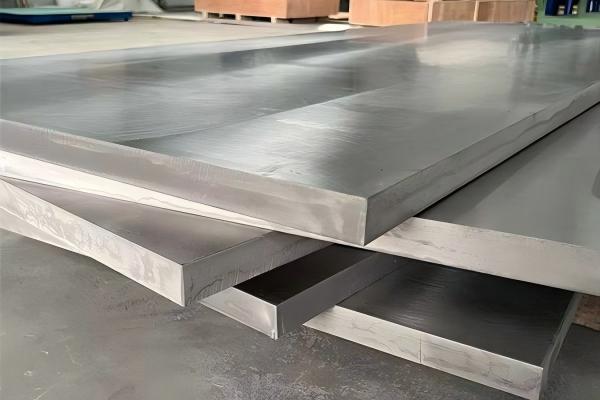
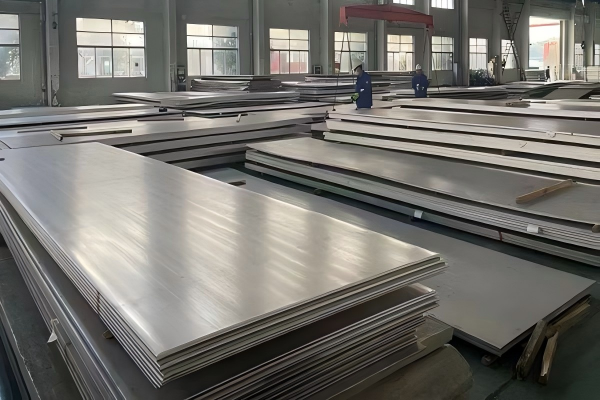
ASTM B424 Incoloy 825 Alloy Plate is a nickel iron chromium alloy plate with molybdenum, copper, and titanium additions, conforming to UNS N08825 (Incoloy 825 / Alloy 825 / W.Nr. 2.4858) . Its composition (Ni 38–46%, Cr 19.5–23.5%, Mo 2.5–3.5%, Cu 1.5–3.0%, Ti 0.6–1.2%) delivers outstanding resistance to sulfuric acid, phosphoric acid, nitric acid, seawater, and chloride-containing environments. Titanium stabilization prevents intergranular corrosion after welding. Supplied in solution annealed condition, available in hot-rolled and cold-rolled forms, custom thickness (0.1mm–100mm), and cut‑to‑size options.
| Parameter | Range & Options |
Product Forms | Plate, Sheet, Strip, Hot-Rolled Plate, Cold-Rolled Sheet |
Standards | ASTM B424 (Primary) · ASME SB424 · NACE MR0175 |
Grade | UNS N08825 (Incoloy 825 / Alloy 825 / W.Nr. 2.4858) – Nickel-Iron-Chromium-Molybdenum-Copper Alloy |
Thickness | 0.1mm – 100mm; custom thickness available |
Sheet Size | 4x8 (1220x2440mm) · 1000x2000mm · 1500x3000mm · 2000x4000mm |
Width | Up to 2500mm |
Length | Up to 12000mm; cut to size available |
Surface Finish | Hot Rolled, Cold Rolled, 2B, 2D, BA, Polished |
Customization | Custom Size, Cut to Size, Precision Machining |
In reactors, heat exchangers, and storage vessels handling aggressive acids, Incoloy 825 plate for chemical processing provides exceptional resistance to sulfuric acid, phosphoric acid, and nitric acid. Its nickel iron chromium alloy plate composition withstands both reducing acid conditions and oxidizing environments, making it the preferred choice for chemical plant equipment.
For sulfuric acid service across a wide concentration range, ASTM B424 UNS N08825 plate delivers cost-effective performance. The corrosion resistant Incoloy 825 plate is often the most economical alloy for sulfuric acid applications, withstanding acid production, pickling operations, and acid transfer lines.
For phosphoric acid service and fertilizer production, Incoloy alloy 825 plate resists both crude and purified phosphoric acid, maintaining integrity in evaporators, concentrators, and heat exchanger sections. Its molybdenum and copper additions provide outstanding resistance to reducing acid environments.
For sour gas and oil well equipment, Incoloy 825 plate for oil and gas complies with NACE MR0175 for H₂S service. It resists chloride-induced pitting, crevice corrosion, and stress corrosion cracking in downhole tubing, wellhead components, and flowline equipment.
For offshore platforms and subsea components exposed to seawater, ASTM B424 nickel alloy plate provides excellent resistance to marine corrosion and chloride attack. This chemical resistant alloy plate is widely used in seawater cooling systems, riser clamps, and ballast tank components.
In flue gas desulfurization scrubbers and stack-gas reheaters, Incoloy 825 plate for pollution control equipment withstands the highly corrosive, low-pH, chloride-rich environment of FGD absorber towers. Its resistance to pitting and crevice corrosion ensures long service life in wet corrosive zones.
For nuclear fuel reprocessing and radioactive waste handling, ASTM B424 Incoloy 825 sheet provides the corrosion resistance needed for nuclear industry applications. The alloy’s titanium stabilization prevents intergranular corrosion in welded nuclear service components.
For marine equipment and seawater-exposed structures, Incoloy 825 plate for marine equipment offers exceptional resistance to seawater pitting and crevice corrosion. It is used in propeller shafts, seawater pump casings, and offshore platform components.
For desalination plants and brine handling systems, UNS N08825 alloy plate withstands high chloride concentrations at elevated temperatures. The seawater corrosion resistant alloy plate is also specified for heat exchangers and condenser sections in coastal power plants.
For ASME-coded pressure vessels in corrosive service, ASTM B424 Incoloy 825 plate combines strength, corrosion resistance, and weldability. Certified for pressure vessel fabrication up to 450°C (842°F), it is used in reactors, columns, and storage vessels handling aggressive chemical streams.
For heat exchangers, condensers, and reboiler bundles, ASTM B424 nickel alloy plate provides the corrosion resistance needed for acid service applications. Its high thermal conductivity and excellent resistance to localized attack make it ideal for heat transfer equipment in chemical and petrochemical plants.
In petrochemical plants processing chlorinated hydrocarbons and mixed acid streams, Incoloy 825 plate for petrochemical industry withstands both reducing and oxidizing conditions. It is specified for distillation column trays, reactor shells, and transfer line components.
For pharmaceutical equipment requiring high purity and corrosion resistance, custom Incoloy 825 plate provides non-contaminating performance in API synthesis vessels and clean-in-place systems.
Q: What is the difference between Incoloy 825 and Inconel 625 plates?
A: Incoloy 825 alloy plate is a nickel-iron-chromium alloy with molybdenum and copper, optimized for acid resistance (sulfuric, phosphoric, nitric) and chloride environments. Inconel 625 plate has higher nickel content with niobium addition, providing superior high-temperature strength (up to 2000°F) and creep resistance, while ASTM B424 Incoloy 825 plate is more cost-effective for chemical processing applications.
Q: What is the maximum operating temperature for Incoloy 825 plate?
A: ASTM B424 Incoloy 825 sheet operates effectively from cryogenic temperatures up to 1000°F (540°C). It maintains good mechanical properties at room temperature and up to 550°C, and is certified for pressure vessel service up to 450°C. For higher temperatures, Inconel 625 is recommended.
Q: What industries commonly use ASTM B424 Incoloy 825 plate?
A: Chemical processing (reactors, heat exchangers, piping), oil and gas (wellhead equipment, sour gas service), pollution control (FGD scrubbers), marine engineering (seawater systems, offshore platforms), nuclear fuel reprocessing, acid production, pickling operations, and pharmaceutical equipment.
Q: Is Incoloy 825 plate suitable for sour gas service (H₂S)?
A: Yes. ASTM B424 UNS N08825 plate complies with NACE MR0175 for sour gas service. Its high nickel content ensures resistance to sulfide stress cracking and chloride stress corrosion cracking, making it ideal for wellhead equipment, downhole tubing, and flowlines in H₂S-containing environments.
Q: Can ASTM B424 Incoloy 825 plate be welded without post-weld heat treatment?
A: Yes. Incoloy 825 alloy plate can be welded using GTAW, GMAW, and SMAW techniques. The titanium addition stabilizes the alloy against intergranular corrosion, eliminating the need for post-weld heat treatment in most service conditions.
We are a trusted ASTM B424 Incoloy 825 Alloy Plate Manufacturer and Incoloy 825 Plate Supplier, China-based, serving chemical processors, oil and gas contractors, marine fabricators, and pollution control equipment builders worldwide. All products comply with ASTM B424 / ASME SB424 with EN 10204 3.1 mill certificates, PMI verification, and dimensional inspection reports. We offer hot-rolled and cold-rolled Incoloy 825 plate in custom thickness from 0.1mm to 100mm, with cut-to-size and precision machining services. Contact us at info@monokj.com for size chart, pricing, or custom requirements.