


 +86 18681836350
  info@monokj.com


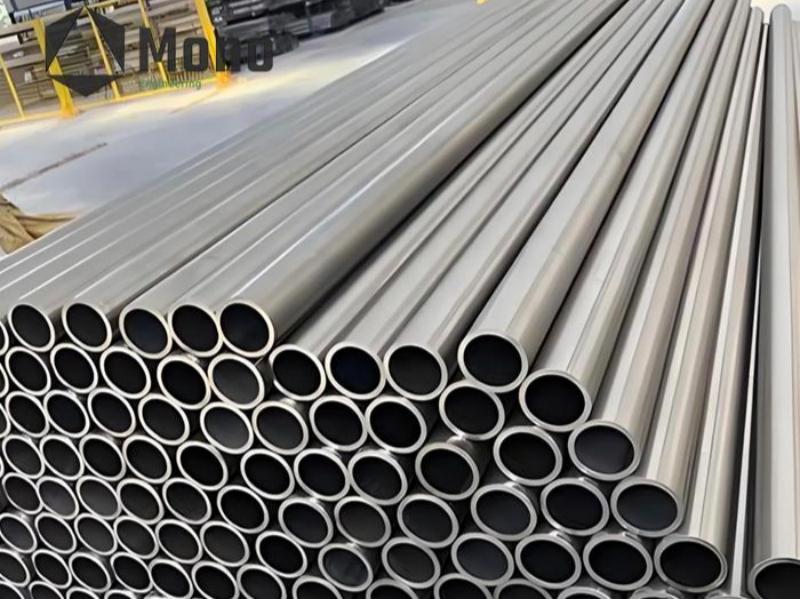


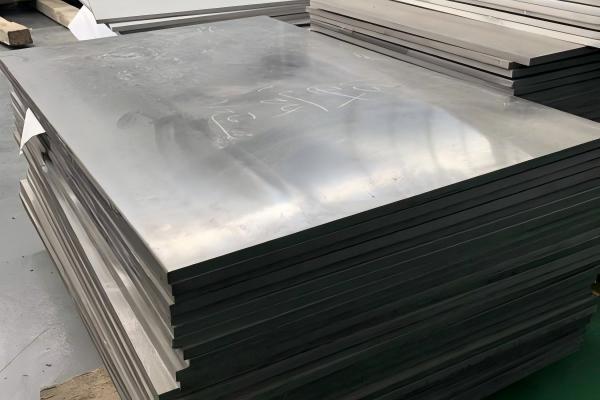
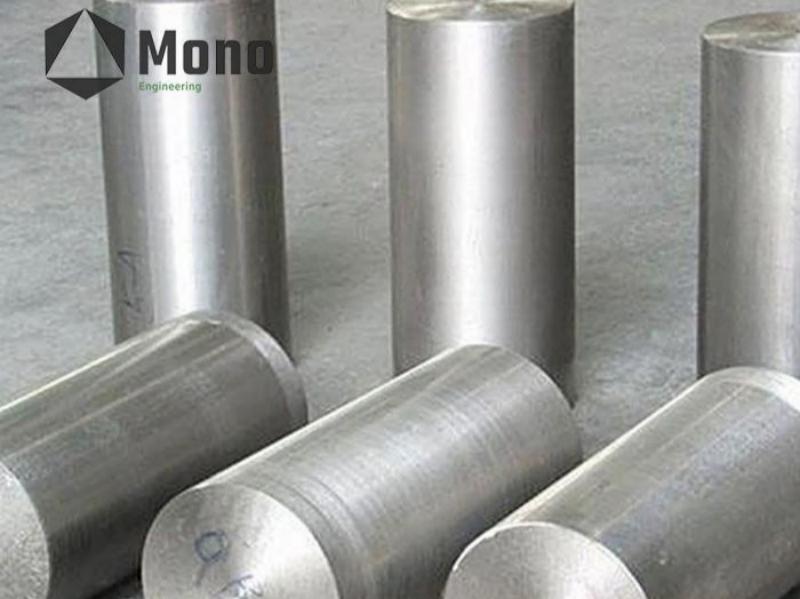
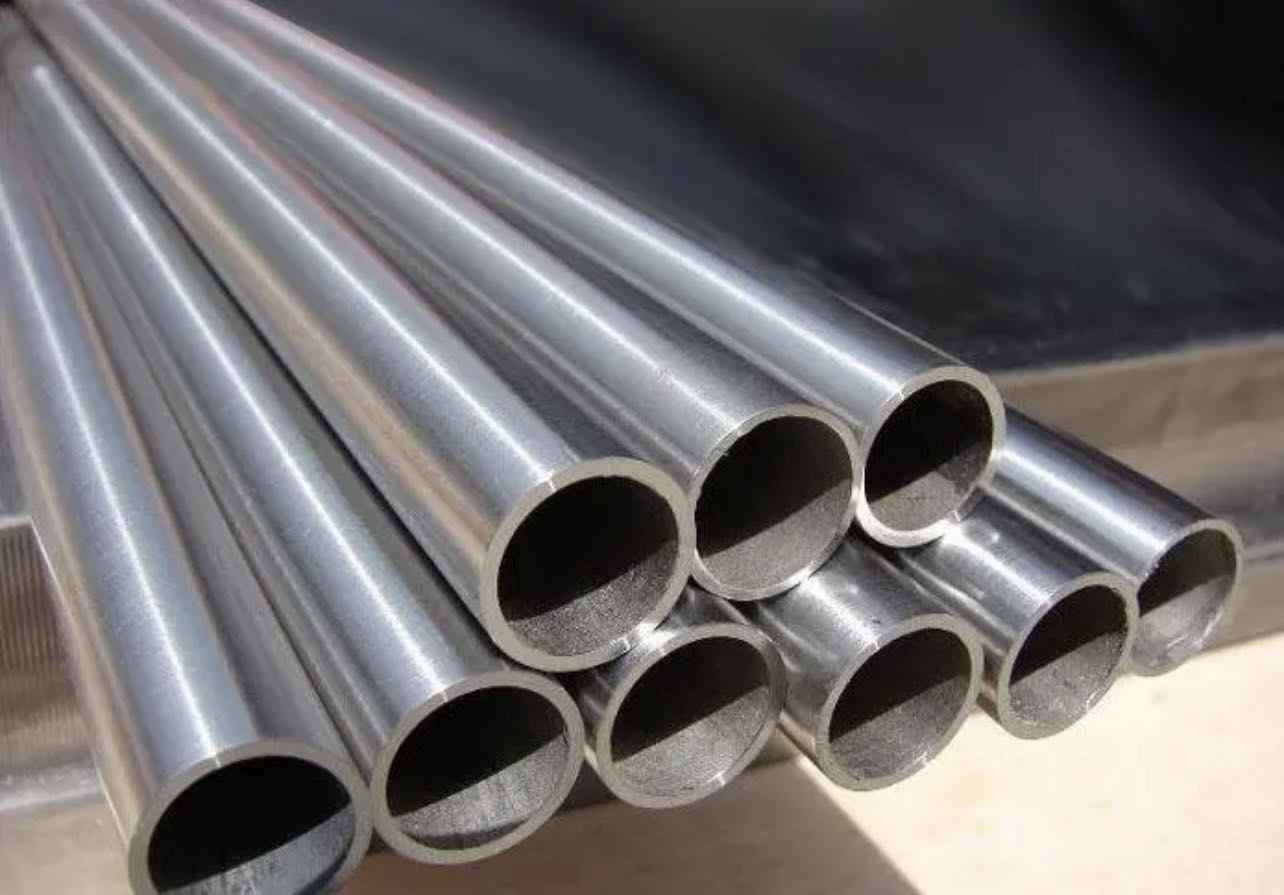
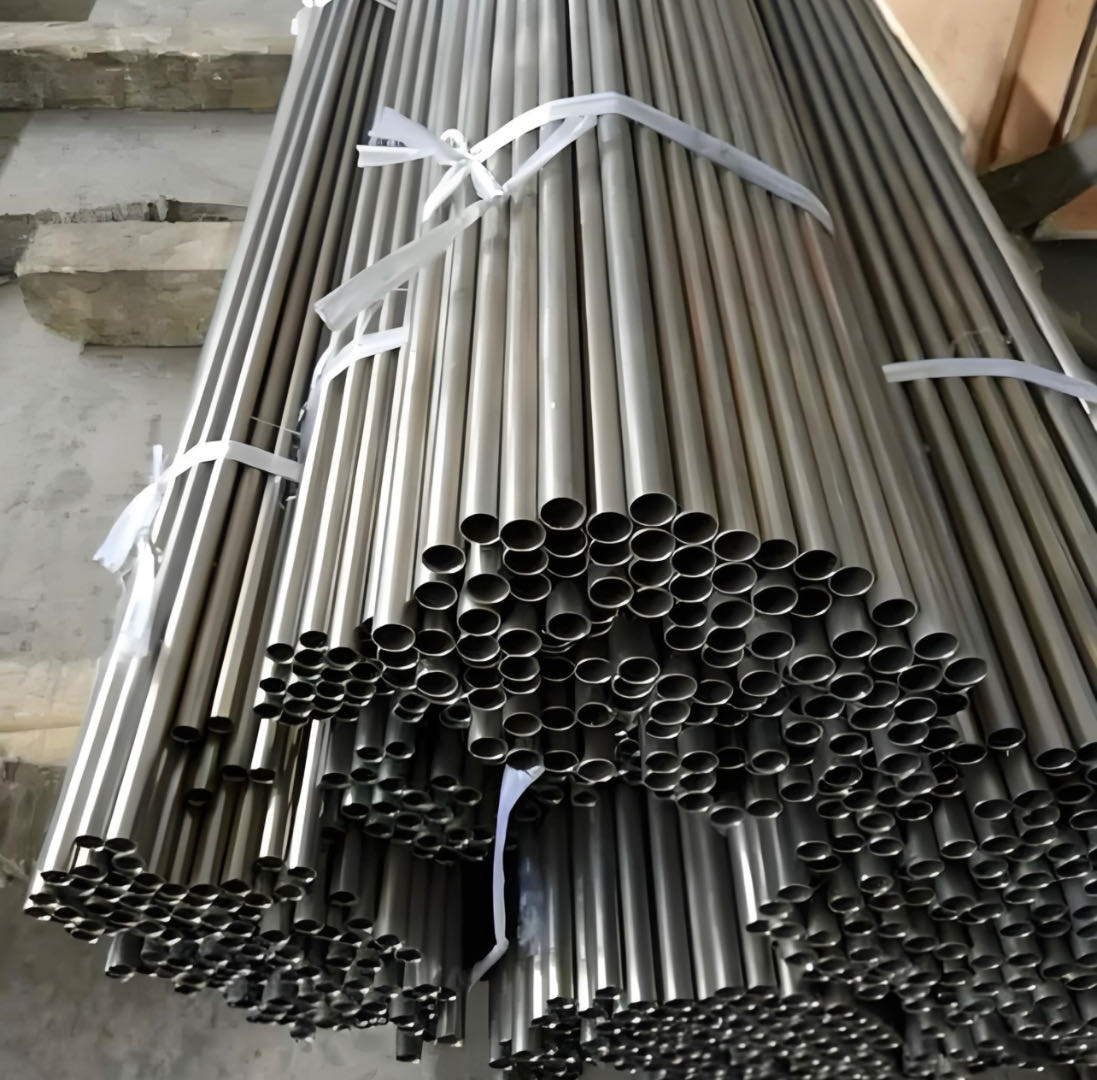
GH4033 Superalloy (GH33 / Ni-Cr Base Precipitation-Hardening Alloy) is a nickel‑chromium based wrought superalloy strengthened by γ′ [Ni₃(Al,Ti)] precipitates formed through aluminum and titanium additions. The alloy contains approximately 68% nickel, 19–22% chromium, 2.4–2.8% titanium, 0.6–1.0% aluminum, and trace amounts of boron, cerium, and carbon. This GH4033 nickel base superalloy delivers sufficient high-temperature strength at 700–750°C (1290–1380°F) and good oxidation resistance below 900°C (1650°F), with excellent cold and hot workability. Its precipitation hardened alloy characteristics—combined with a proven service history in aircraft engine turbine blades—make it the preferred material for aero-engine turbine blades, turbine discs, combustion chambers, gas turbine components, industrial furnace equipment, and petrochemical industry applications. Available in a full range of product forms including GH4033 round bar, plate, sheet, pipe, tube, wire, and forgings.
Composition | C | Si | Mg | P | S | Cr | Ti | Ni | Mo | Al | Cu | Nb |
Min | \ | \ | \ | \ | \ | 19.00 | 0.60 | 55.00 | 9.00 | 2.00 | \ | \ |
Max | 0.05 | 0.50 | 0.015 | 0.015 | 0.015 | 22.00 | 1.20 | 59.00 | 10.00 | 2.50 | 0.03 | 0.03 |
Rigidity | Tensile strength | Yield strength | Elongation |
≤310 | ≥960MPa | ≥670MPa | ≥15% |
Density | Melting points | Specific heat | Magnetism | Resistivity | Thermal conductivity | Linear expansivity |
8.19g/cm3 | 1345-1380℃ | 377J/(Kg.℃) | \ | 1.33μΩ·m(20℃) | 11.8W/(m.k)(100℃) | 11.27×10⁻⁶/K(20-100℃) |
The performance advantage of GH4033 Superalloy comes from its nickel-based structure and strengthening mechanism, allowing components to maintain stable mechanical properties during high temperature service.
Compared with conventional heat resistant steels, GH4033 Nickel Alloy provides improved strength retention, better resistance to deformation, and more reliable performance under long-term thermal exposure.
Key characteristics include:
High temperature strength retention
Good creep resistance under elevated temperature conditions
Stable mechanical performance after heat treatment
Good suitability for forged and precision manufactured components
For engineers selecting a High Temperature Nickel Alloy, GH4033 is generally considered when mechanical reliability and service life are more important than general corrosion resistance.
The application of GH4033 Nickel Alloy is mainly determined by operating temperature, mechanical loading conditions and required service reliability. It is selected for components where material failure may lead to high maintenance costs or equipment downtime.
1. Aerospace and Engine Related Components
GH4033 for Aerospace applications focus on components requiring stable mechanical performance under thermal cycling and high mechanical loads.
In aerospace environments, materials are exposed to vibration, temperature fluctuations and long-term stress. Aerospace Nickel Alloy materials such as GH4033 are used where strength retention and dimensional stability are important.
Typical applications include:
Aerospace structural components
Engine-related high temperature parts
Precision forged aerospace components
For these applications, GH4033 Forging is often preferred because forged materials provide improved structural consistency for critical components.
2. Turbine and Energy Equipment Components
For turbine systems, components must withstand continuous heat exposure combined with mechanical stress. GH4033 for Turbine Components applications require materials that can maintain performance during extended operating periods.
Typical applications include:
Gas turbine components
High temperature rotating parts
Power generation equipment components
The use of High Temperature Nickel Alloy materials helps improve reliability in systems where creep deformation and strength degradation must be controlled.
3. Industrial High Temperature Equipment
Beyond aerospace applications, GH4033 for High Temperature Components can also be considered for industrial equipment operating under severe thermal conditions.
These applications usually require:
Stable performance during repeated heating cycles
Resistance to thermal deformation
Reliable mechanical properties after prolonged service
Typical components include:
Furnace components
Heat treatment equipment parts
High temperature fixtures
Selecting a nickel-based superalloy is not only about achieving the highest possible temperature resistance. Engineers usually evaluate the relationship between operating temperature, loading conditions, manufacturing requirements and expected service life.
GH4033 Superalloy is mainly selected when high temperature mechanical strength is the priority. For applications dominated by severe corrosion environments, corrosion-resistant nickel alloys may provide a better solution.
Compared with general alloy steels, GH4033 offers improved performance under elevated temperature stress. Compared with more specialized superalloys designed for extreme conditions, GH4033 provides a balanced option for applications requiring reliable strength and manufacturability.
This makes GH4033 Nickel Alloy suitable for customers looking for a practical high temperature material solution rather than simply the highest performance alloy available.
Q: What is the equivalent material for GH4033?
A: GH4033 corresponds to GH33 (Chinese designation), ЭИ437Б (Russian designation), and is similar to Nimonic 80A in terms of base composition and application. It is a Ni-Cr base precipitation-hardening wrought superalloy that has been widely used in Chinese aero-engine turbine blade applications since the 1950s.
Q: What is the maximum operating temperature for GH4033?
A: GH4033 is suitable for continuous service up to 750°C (1380°F) with sufficient high-temperature strength. It offers good oxidation resistance below 900°C (1650°F). For service above 750°C, other superalloys such as GH4169 or Inconel 718 are recommended.
Q: What is the difference between GH4033 and GH4169 (Inconel 718)?
A: GH4033 is a Ni-Cr base precipitation-hardening alloy strengthened by γ′ (Ni₃(Al,Ti)) precipitates, optimized for service up to 750°C (1380°F). GH4169 (Inconel 718) is strengthened by γ″ (Ni₃Nb) precipitates, offering higher tensile strength (up to 1200 MPa) and better weldability for complex fabricated structures. GH4033 has a proven history in turbine blade applications, while GH4169 is more commonly used for turbine discs and welded assemblies.
Q: What are the typical applications for GH4033?
A: Aerospace (aero-engine turbine blades, turbine discs, combustion chambers, jet pipes, high-temperature fasteners); gas turbines and power generation (turbine blades, combustor components, seals, fasteners); petrochemical industry (reactors, heat exchangers, furnace components, valve stems, pump shafts); nuclear industry (structural components, fasteners); and industrial furnaces (radiant tubes, heating elements, furnace rollers).
Mono Group provides GH4033 Superalloy, GH4033 Nickel Alloy and other high temperature materials with customized sizes, technical documents and export support. For GH4033 Round Bar, GH4033 Forging or custom requirements, please send your required grade, dimensions, quantity and specifications. Contact us at info@monokj.com for quotation and material support.