


 +86 18681836350
  info@monokj.com


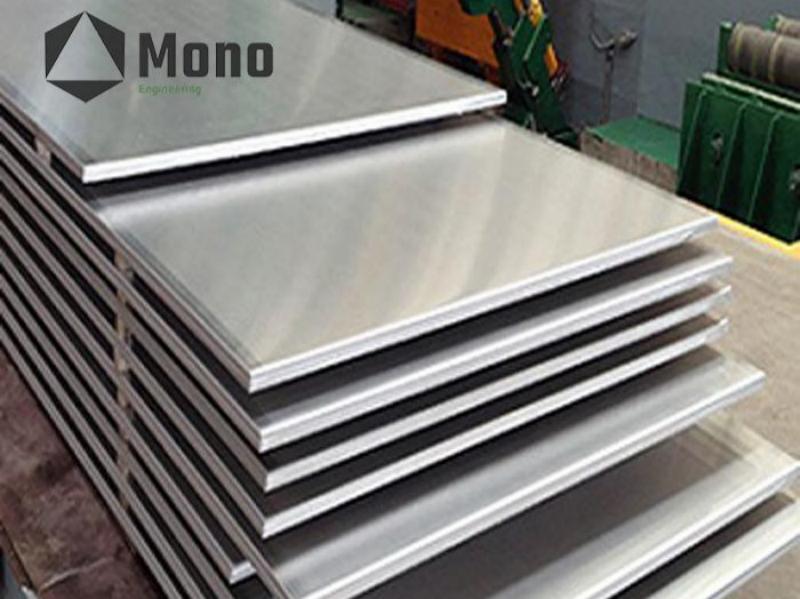


Not every engineering project is limited by strength or corrosion resistance. In many precision assemblies, controlling dimensional change caused by temperature fluctuations is the real design challenge. For optical systems, semiconductor equipment, aerospace structures and precision measuring devices, even a small amount of thermal expansion can affect alignment, calibration and long-term accuracy.
4J36 Iron-Nickel Alloy, also widely known as Invar 36 Alloy or FeNi36 Alloy, is specifically developed for applications requiring an exceptionally low coefficient of thermal expansion. Rather than simply offering high mechanical performance, this controlled expansion alloy helps maintain dimensional stability across a wide temperature range, making it one of the most widely specified materials for precision engineering.
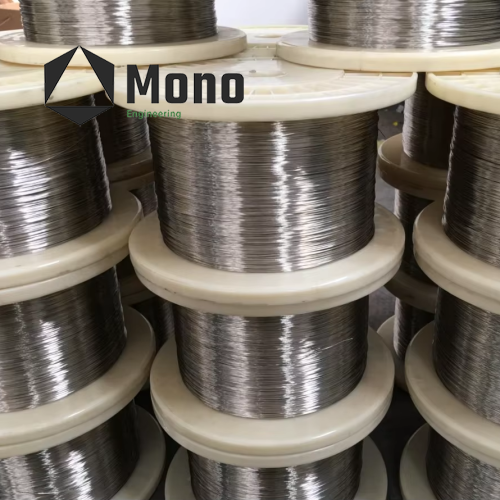
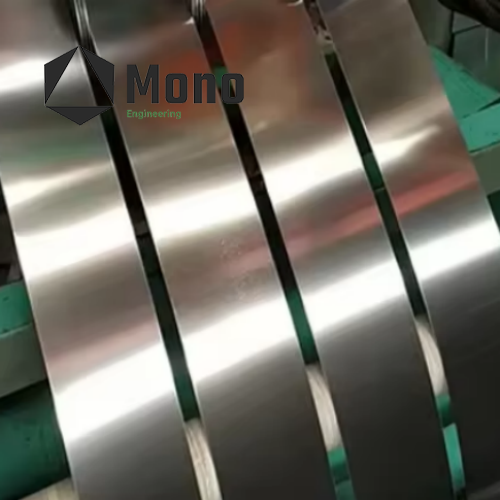
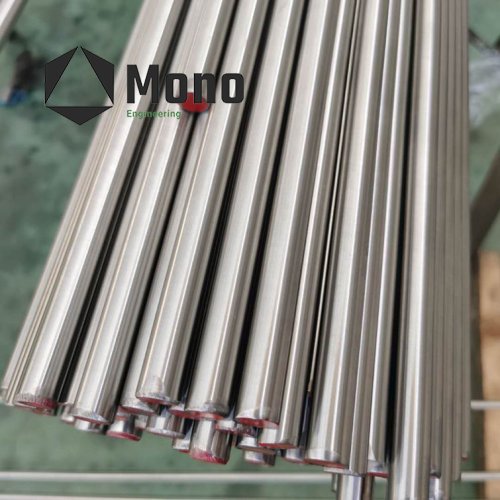
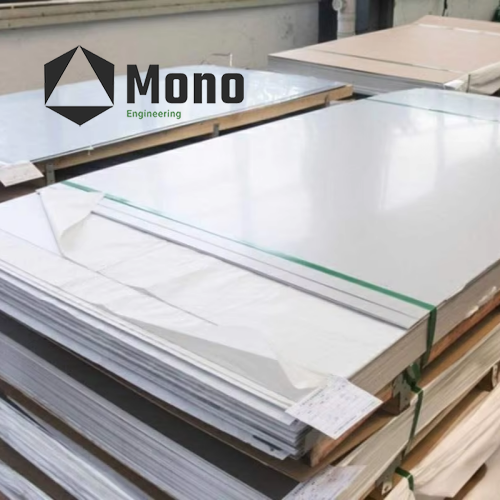
As an experienced 4J36 Iron-Nickel Alloy Supplier, Mono supplies plates, sheets, strips, bars, wires, tubes and custom-machined components for customers involved in precision manufacturing, scientific instrumentation and advanced industrial equipment worldwide.
Material selection often begins with understanding what problem needs to be solved rather than comparing alloy grades.
Invar 36 Alloy is generally selected when thermal expansion must closely match surrounding materials or when dimensional accuracy must remain stable despite temperature changes. Compared with conventional stainless steels or carbon steels, its extremely low thermal expansion significantly reduces deformation caused by heating and cooling cycles.
Typical Selection Considerations
Precision assemblies sensitive to thermal expansion
Components requiring excellent dimensional stability
Structures operating across varying temperatures
Optical or semiconductor equipment with tight alignment tolerances
Cryogenic equipment requiring stable material behavior
Parts that require good machinability after stress-relief heat treatment
Composition | C | Si | Mn | P | S | Cr | Ni | Co |
Min | \ | \ | 0.30 | \ | \ | \ | 35.00 | \ |
Max | 0.03 | 0.20 | 0.60 | 0.02 | 0.01 | 0.20 | 37.00 | 0.50 |
Rigidity | Tensile strength | Yield strength | Elongation |
160-200HB | ≥400MPa | ≥200MPa | ≥25% |
Physical properties
Density | Melting points | Specific heat | Magnetism | Resistivity | Thermal conductivity | Linear expansivity |
8.1g/cm3 | 1430℃ | 515J/(Kg.℃) | yes | 0.78μΩ·m (20℃) | 11W/(m.k)(100℃) | 1.5×10⁻⁶/K(20-100℃) |
Rather than serving one specific industry, 4J36 Iron-Nickel Alloy is selected whenever thermal expansion must be carefully controlled. Its value lies in solving engineering problems that conventional structural alloys cannot address.
1. Maintaining Position Accuracy in Precision Equipment
Even slight dimensional movement can influence the accuracy of precision instruments. Invar 36 Alloy is widely used for measuring frames, calibration fixtures, guide structures and positioning components where dimensional consistency directly affects measurement results.
Because the material remains exceptionally stable during normal temperature fluctuations, manufacturers can achieve higher repeatability and reduce recalibration requirements over long service periods.
2. Preventing Thermal Misalignment in Optical Systems
Optical equipment depends on accurate alignment between mirrors, lenses and support structures. Temperature-induced expansion may gradually shift optical paths and reduce imaging precision.
For this reason, FeNi36 Alloy is frequently selected for optical benches, laser platforms, telescope structures and mounting systems where maintaining alignment is more critical than increasing structural strength.
3. Improving Manufacturing Stability in Semiconductor Equipment
Semiconductor production demands micron-level positioning accuracy throughout repeated thermal cycles.
Precision stages, wafer handling equipment, vacuum chamber components and support frames manufactured from Controlled Expansion Alloy help reduce thermal deformation, improving equipment stability and production consistency.
4. Reducing Thermal Stress Between Different Materials
Many engineering assemblies combine ceramics, glass, composites and metallic materials with different expansion characteristics.
Using Low Thermal Expansion Alloy allows designers to better match expansion rates between connected components, reducing internal stress, improving sealing reliability and extending equipment service life.
5. Supporting Cryogenic Engineering
Equipment operating at extremely low temperatures requires materials that remain dimensionally stable during cooling and warming cycles.
Cryogenic storage systems, LNG equipment and scientific research instruments commonly utilize Iron Nickel Low Expansion Alloy to improve assembly precision while minimizing deformation caused by temperature variation.
6. Precision Components for Long-Term Dimensional Stability
Manufacturers of aerospace fixtures, electronic tooling, inspection gauges and custom precision assemblies often specify Precision Expansion Alloy when dimensional consistency must be maintained throughout machining, assembly and years of operation.
Stable geometry not only improves product performance but also helps reduce maintenance caused by thermal distortion.
When purchasing low expansion alloys, the material grade alone rarely determines project success. Processing capability, dimensional tolerance and heat treatment consistency often have a greater impact on the final performance of precision components.
Mono works closely with equipment manufacturers, precision machining companies and engineering contractors to supply 4J36 Iron-Nickel Alloy in custom sizes, near-net dimensions and production-ready conditions. This helps customers reduce machining allowance, improve material utilization and shorten manufacturing lead times.
For projects involving precision assemblies, our engineering team can also recommend suitable product forms and processing routes based on the component design instead of simply supplying standard stock.
Q: Is 4J36 Iron-Nickel Alloy the same as Invar 36 Alloy?
A: Yes. 4J36 Iron-Nickel Alloy, Invar 36 Alloy and FeNi36 Alloy generally refer to the same low expansion iron-nickel alloy used for precision engineering applications.
Q: When should Invar 36 Alloy be selected instead of stainless steel?
A: It is preferred when dimensional stability is more important than corrosion resistance. Optical equipment, semiconductor machinery and precision instruments often require the extremely low thermal expansion that stainless steel cannot provide.
Q: Which product forms are commonly available?
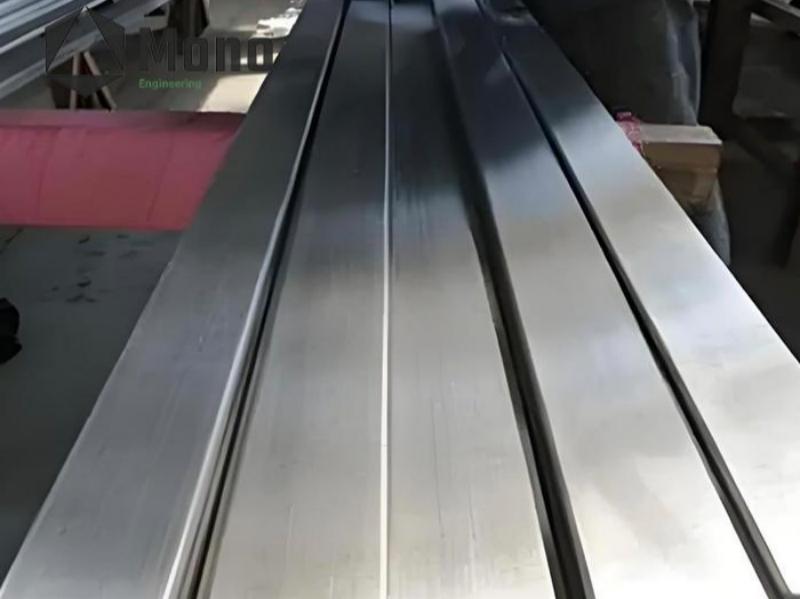
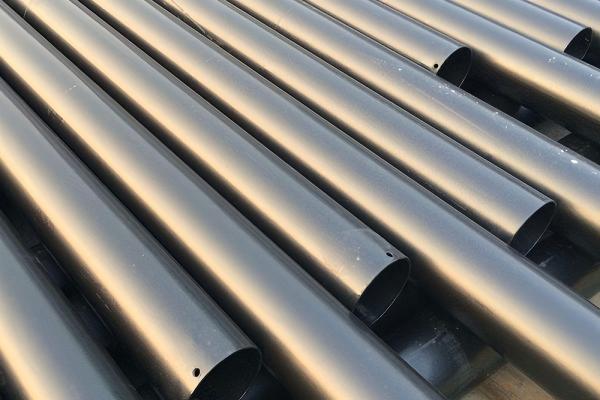
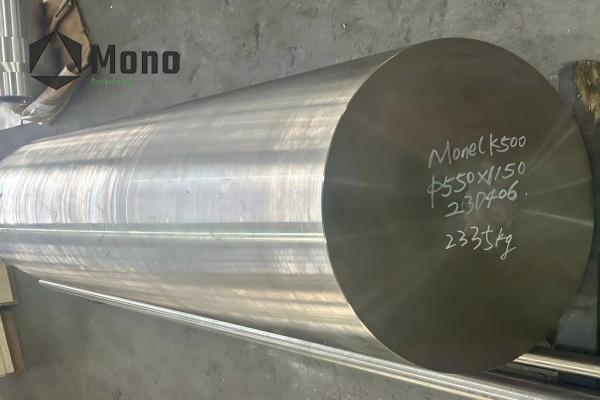
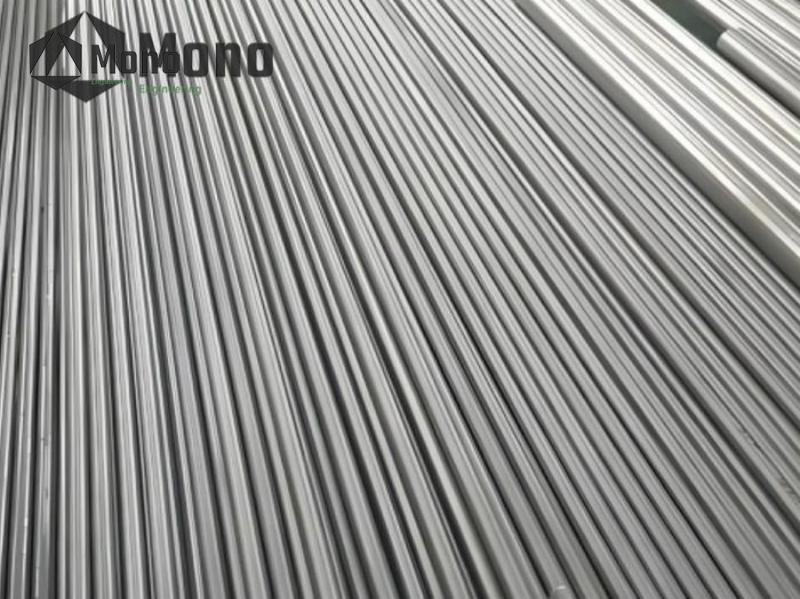
A: Mono supplies plates, sheets, strips, coils, bars, rods, wires, tubes and custom-machined components according to customer drawings or technical specifications.
Q: Can Mono supply custom sizes instead of standard stock?
A: Yes. Custom thicknesses, widths, diameters, machining allowances and precision-cut components are available for both prototype and production requirements.
Q: Is heat treatment important for this alloy?
A: Yes. Proper annealing and stress-relief processing are essential to achieve stable thermal expansion characteristics and ensure consistent performance in precision applications.
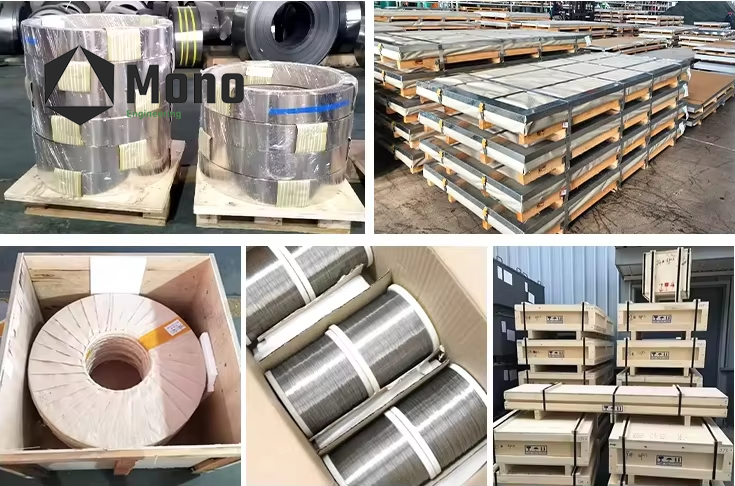
Precision alloys are selected for applications where dimensional accuracy directly affects equipment performance. Supplying these materials therefore requires consistent quality, controlled processing and close attention to customer specifications. Mono provides 4J36 Iron-Nickel Alloy (Invar 36) in a wide range of product forms, supporting customers in precision engineering, semiconductor manufacturing, optical systems and scientific instrumentation.
Whether your project requires standard stock, custom dimensions or precision-machined components, our team can help identify a practical supply solution based on your technical requirements. Send your drawings or specifications to info@monokj.com, and we'll prepare a quotation tailored to your project.