


 +86 18681836350
  info@monokj.com


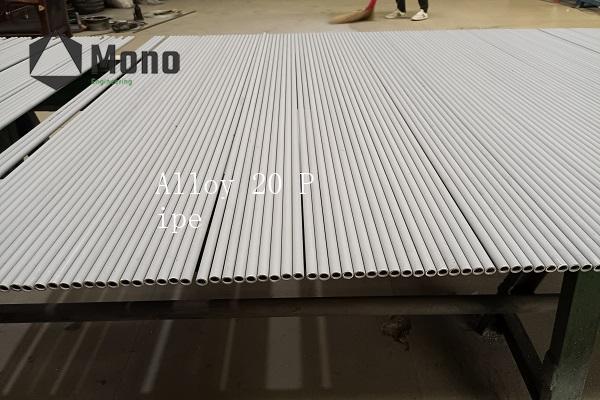


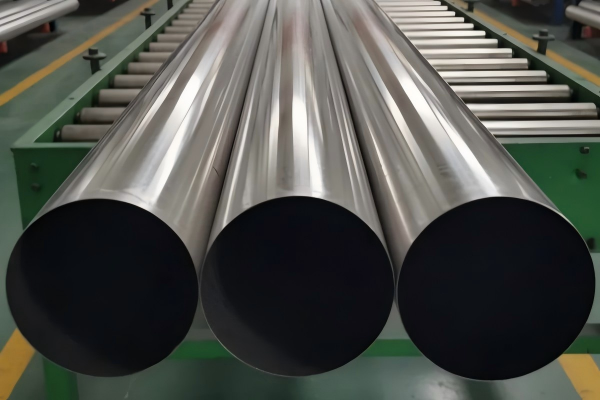
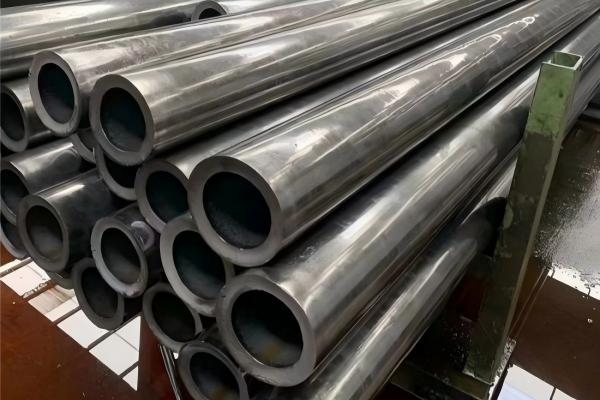
Acid handling systems rarely fail because of pressure alone. In most cases, long-term reliability depends on selecting a piping material that can withstand the process media while remaining practical to fabricate, weld and maintain. This is why many engineers specify Alloy 20 Pipe for sulfuric acid service instead of relying solely on conventional stainless steels.
Known as Carpenter 20 or UNS N08020, Alloy 20 is a nickel-iron-chromium alloy developed for corrosive process environments. It offers excellent resistance to sulfuric acid together with good performance against chloride-induced corrosion, making it a proven choice for chemical processing, pharmaceutical production and industrial piping systems where both corrosion resistance and fabrication efficiency are important.
No single alloy performs best in every corrosive environment. Alloy 20 Pipe is generally selected when sulfuric acid resistance, reliable fabrication and project economy need to be balanced within the same piping system. Compared with higher-alloy nickel materials, it often provides sufficient corrosion performance for many acid-processing applications without introducing unnecessary material cost.
Typical Selection Criteria
Sulfuric acid processing systems
Chemical transfer and pressure piping
Pharmaceutical and food processing equipment
Applications requiring good weldability
Projects specified to ASTM B729 or ASME SB729
Material selection should always be based on the actual process medium, concentration, operating temperature and equipment design rather than alloy grade alone. Confirming these conditions at the beginning of a project helps avoid unnecessary over-specification while improving long-term service reliability.
Parameter | Range & Options |
Product forms | Seamless Pipe (B729), Welded Pipe (B464/B468) |
Standards | ASTM B729, ASTM B464, ASTM B468, ASME SB729, EN 10216‑5, EN 10217‑7 |
Grades | UNS N08020, Carpenter 20, Alloy 20Cb-3, DIN 2.4660 |
Pipe sizes (NPS) | Alloy 20 Pipe 1 Inch, 2 Inch, 3 Inch, 4 Inch – up to 12 Inch |
Schedule | SCH40, SCH80, SCH10, custom – Schedule 40 alloy 20 pipe, Schedule 80 alloy 20 pipe |
OD dimensions | Per ASME B36.10 – Alloy 20 Pipe Dimensions |
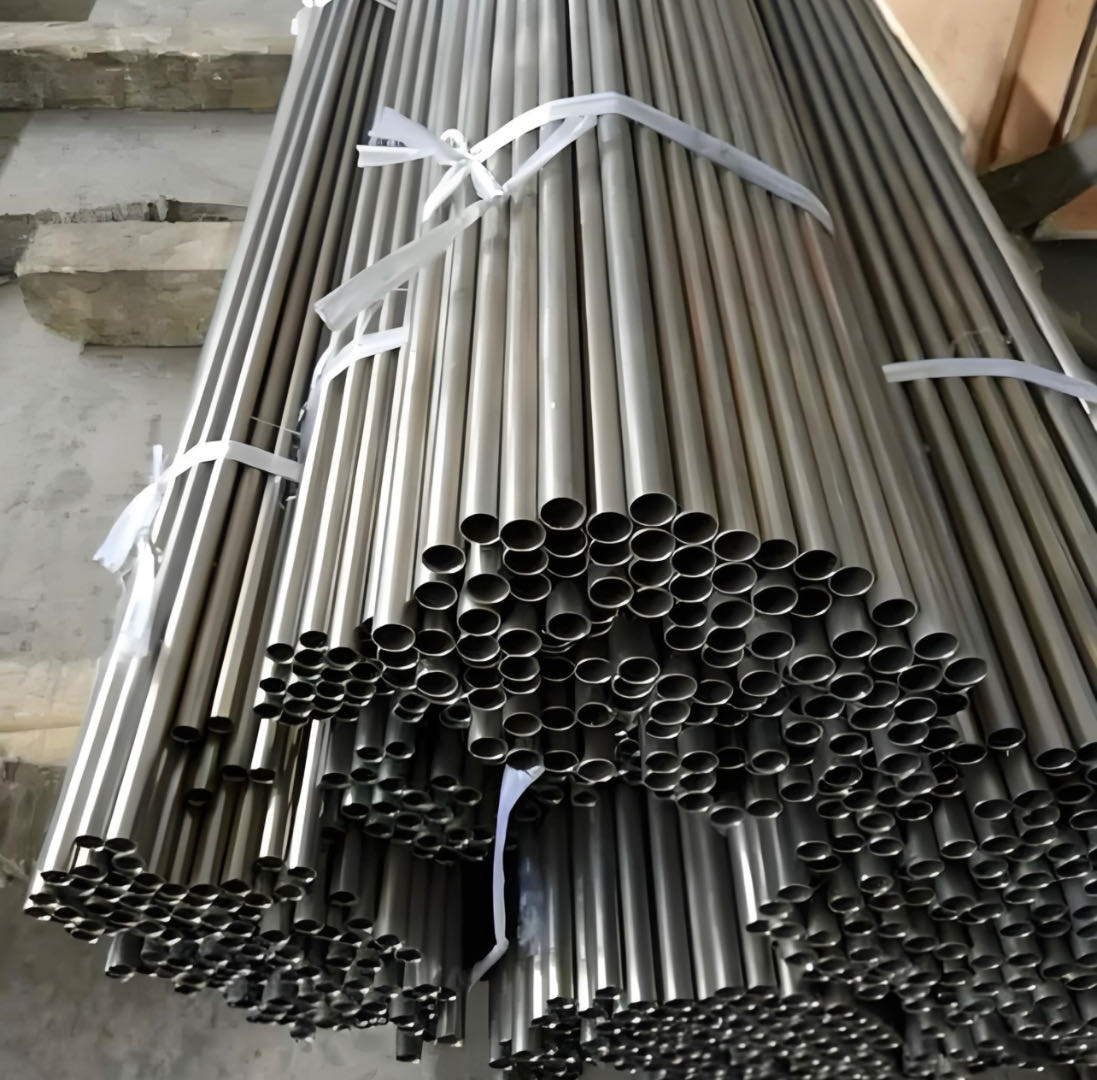
Wall thickness | Thin wall to heavy wall – thin wall alloy 20 tubing available |
Length | Standard 6m; cut to length available |
Processes | Cold drawn alloy 20 tube, hot finished alloy 20 pipe, welded, pickled, polished |
Surface finish | Pickled (standard), polished, as‑drawn, as‑welded |
Customization | Custom size alloy 20 pipe, cut to length, large diameter alloy 20 pipe, industrial process alloy tubing |
Processing equipment used for sulfuric acid, acidic solutions and chemical transfer lines requires piping materials that can maintain corrosion resistance over long operating periods. Alloy 20 is widely applied in these environments because it combines dependable corrosion performance with practical fabrication characteristics, making installation and future maintenance more efficient.
Heat exchangers and pressure piping are often exposed to corrosive fluids while also experiencing continuous temperature and pressure fluctuations. The alloy's good weldability and resistance to localized corrosion help improve service reliability for fabricated piping assemblies.
Manufacturing facilities in pharmaceutical and food industries frequently require corrosion-resistant piping that also supports clean fabrication and reliable operation. Alloy 20 provides an effective solution for process piping, storage vessels and transfer systems where product purity and equipment longevity are priorities.
Many petrochemical and fertilizer facilities handle aggressive process streams capable of accelerating corrosion in conventional stainless steels. Alloy 20 is regularly specified for transfer piping, reactors and auxiliary process equipment where stable corrosion resistance contributes to longer maintenance intervals.
Pickling lines and acid circulation systems expose piping to highly corrosive chemicals on a continuous basis. Selecting Alloy 20 helps improve equipment durability while reducing the frequency of repair or replacement caused by aggressive service conditions.
Material specifications are only one part of a successful piping project. Buyers also need to confirm manufacturing standards, pipe schedule, dimensions, testing requirements and whether matching fittings and flanges are supplied under compatible specifications. Reviewing these details before production reduces procurement risk and helps avoid compatibility issues during fabrication and site installation.
Q: Is Alloy 20 Pipe better than 316L stainless steel for sulfuric acid service?
A: For many sulfuric acid applications, Alloy 20 offers significantly better corrosion resistance than 316L stainless steel. The final selection should always be based on acid concentration, operating temperature and process conditions.
Q: When should Alloy 20 be selected instead of Hastelloy C276?
A: If the primary service involves sulfuric acid and the operating conditions do not require the broader corrosion resistance provided by C276, Alloy 20 can often be a more economical engineering solution.
Q: Should I choose seamless or welded Alloy 20 Pipe?
A: Seamless pipe is commonly preferred for higher-pressure or more demanding process systems, while welded pipe may be suitable for many general industrial applications. The choice depends on design code, pressure rating and project specifications.
Q: What information is required before requesting a quotation?
A: Providing the pipe size, wall thickness (Schedule), quantity, applicable standard, project destination and inspection requirements allows suppliers to prepare a more accurate quotation.
Q: Can matching fittings and flanges be supplied together?
A: Yes. Many industrial projects require complete piping packages including pipes, elbows, tees, reducers and flanges manufactured to compatible international standards.
Q: Is custom sizing available?
A: Custom lengths, cutting services and additional processing can normally be arranged according to project requirements, subject to production capability and minimum order quantities.
Industrial piping projects often involve more than supplying a single product. Material compatibility, specification compliance, processing capability and delivery coordination all influence project efficiency. Mono supports customers by supplying Alloy 20 piping products in accordance with international standards, together with flexible processing options and export experience for global industrial markets.
Whether your project requires standard ASTM B729 Alloy 20 Seamless Pipe or custom-manufactured piping components, our team works to provide practical solutions that match your engineering and procurement requirements. If you are planning a new project or replacing existing piping, feel free to share your specifications with us at info@monokj.com. We'll be glad to prepare a quotation based on your technical requirements.